
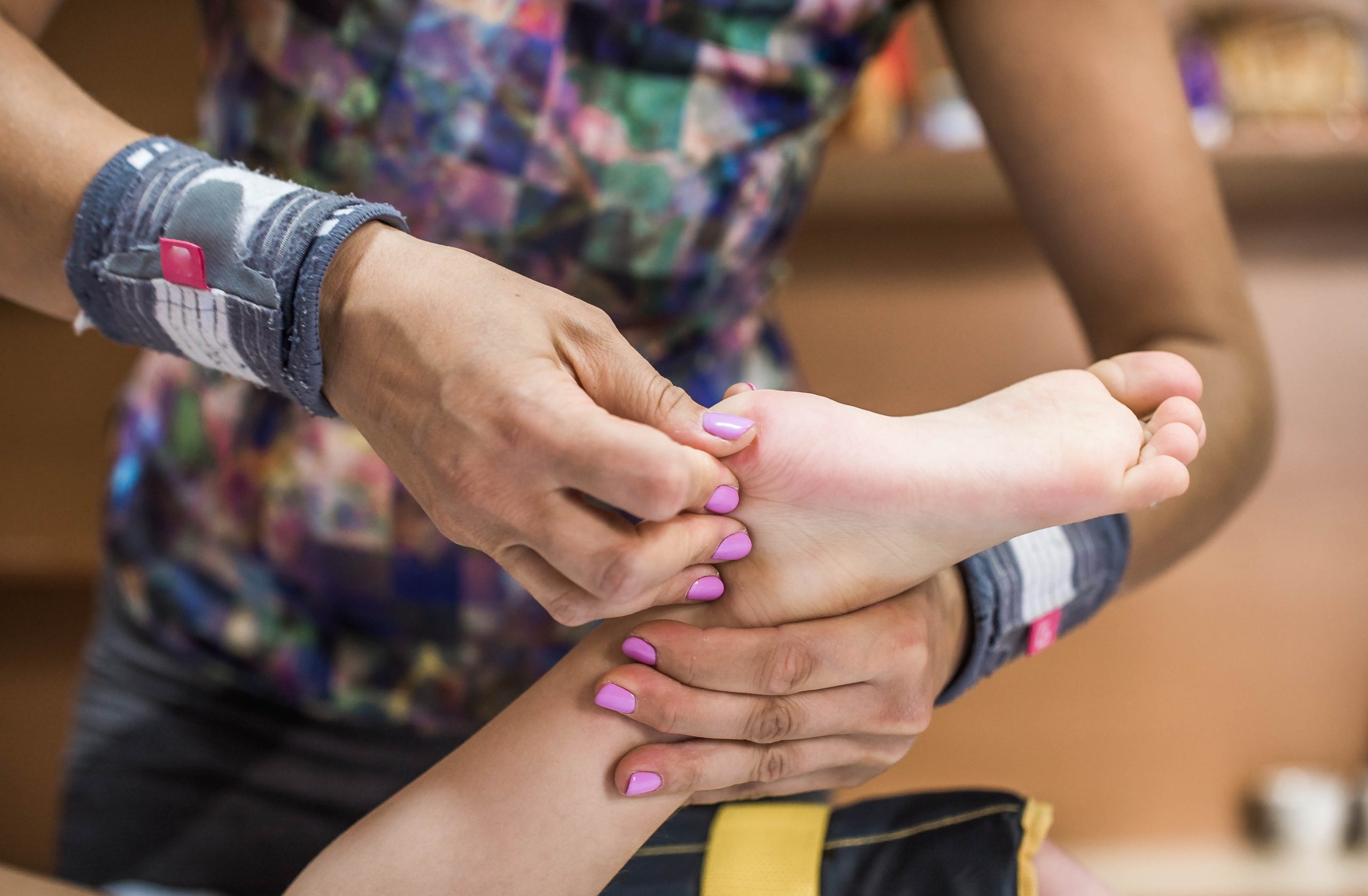
Reflexology—ever heard of it? If you’ve ever wondered about this intriguing alternative therapy, you’re not alone. Reflexology is gaining traction as a popular way to address various health concerns without invasive procedures or medications. But what exactly is reflexology, and why is it becoming a go-to for those seeking holistic wellness?
History of Reflexology
Reflexology isn’t a new trend; it’s rooted in ancient history. The earliest records of practices resembling reflexology date back to ancient Egypt, China, and India. In these cultures, people believed that applying pressure to certain points on the body could positively influence other parts. However, modern reflexology, as we know it, began to take shape in the early 20th century, thanks to pioneers like William H. Fitzgerald and Eunice Ingham. Fitzgerald, an American doctor, developed the “zone therapy” theory, while Ingham is credited with mapping the reflex points on the feet, which laid the foundation for contemporary reflexology.
Understanding Reflexology
So, what exactly is reflexology? At its core, reflexology is a therapeutic practice based on the idea that specific points on the feet, hands, and ears correspond to different organs and systems in the body. By applying pressure to these points, reflexologists aim to promote health and well-being throughout the entire body. Think of it as a way of triggering the body’s natural healing processes through targeted touch.
The Reflexology Map: Zones and Points
A key concept in reflexology is the reflexology map, which outlines the zones and points on the feet, hands, and ears that correlate with different body parts. For instance, the tips of the toes are believed to connect with the head, while the ball of the foot is linked to the heart and chest. This map guides reflexologists in their practice, allowing them to focus on areas that correspond to a client’s specific health concerns.
The Science Behind Reflexology
Reflexology enthusiasts swear by its benefits, but what does the science say? While some studies suggest that reflexology can reduce pain and improve relaxation, the scientific community remains divided. Critics argue that more rigorous research is needed to substantiate these claims. However, one thing is clear: many people experience relief through reflexology, whether due to its direct effects or the placebo effect. Either way, if it works, it works!
Benefits of Reflexology
So, what can reflexology do for you? The benefits are said to be wide-ranging:
Physical Benefits
Reflexology is often used to alleviate physical ailments such as headaches, back pain, and sinus problems. Some people also turn to reflexology to help with digestive issues or to boost their immune system.
Mental and Emotional Benefits
Beyond the physical, reflexology is believed to offer mental and emotional benefits. Many people report feeling more relaxed and less stressed after a session, which isn’t surprising given the focus on promoting relaxation.
Case Studies and Testimonials
While scientific evidence is mixed, personal testimonials abound. Many individuals have shared stories of how reflexology helped them manage chronic pain, reduce stress, and improve their overall quality of life. These stories highlight the potential of reflexology to make a real difference in people’s lives.
Different Types of Reflexology
Did you know there are different types of reflexology? Each type focuses on different areas of the body:
Foot Reflexology
The most common form, foot reflexology, involves applying pressure to specific points on the feet. This method is based on the idea that the feet are a microcosm of the entire body.
Hand Reflexology
Hand reflexology follows the same principles as foot reflexology but focuses on the hands. This type is particularly useful for those who find foot reflexology uncomfortable or impractical.
Ear Reflexology
Ear reflexology, also known as auriculotherapy, targets specific points on the ears. This method is less common but is used by some practitioners to address various health concerns.
Face Reflexology
Face reflexology is a more recent development, focusing on points on the face. It’s often used for relaxation and to enhance skin health.
How Reflexology is Performed
Curious about what happens during a reflexology session? Here’s a glimpse:
What to Expect During a Session
A typical session begins with a consultation where the reflexologist asks about your health concerns. You’ll then lie back, fully clothed, while the reflexologist works on your feet, hands, or ears.
Techniques Used by Practitioners
Reflexologists use a variety of techniques, including thumb-walking, finger pressure, and kneading. The pressure is generally firm but should never be painful.
The Role of Relaxation and Environment
Creating a relaxing environment is key to a successful reflexology session. Soft music, dim lighting, and a comfortable setting help clients unwind, enhancing the overall experience.
Conditions Treated by Reflexology
Reflexology is said to help with a range of conditions. Here are a few examples:
Stress and Anxiety
Reflexology is often used to manage stress and anxiety, offering a non-invasive way to relax and decompress.
Pain Management
People suffering from chronic pain, such as arthritis or migraines, sometimes find relief through reflexology.
Digestive Disorders
Some reflexologists claim that their practice can help with digestive issues like irritable bowel syndrome (IBS) by stimulating the digestive organs.
Other Common Ailments
Reflexology is also used to address sleep disorders, hormonal imbalances, and even respiratory issues.
Reflexology and Complementary Therapies
How does reflexology fit into the broader landscape of complementary and alternative medicine?
How it Complements Other Holistic Treatments
Reflexology is often used alongside other holistic treatments, such as acupuncture or massage, to enhance overall well-being.
Integrating Reflexology with Conventional Medicine
While reflexology is not a replacement for conventional medicine, it can be used as a complementary therapy. Some people use it to manage side effects from treatments like chemotherapy or to support their recovery after surgery.
Learning Reflexology
Interested in learning reflexology? Here’s what you need to know:
Becoming a Certified Reflexologist
To become a professional reflexologist, you’ll need to complete a certification program that covers the necessary techniques, anatomy, and physiology.
Courses and Certifications
There are many courses available, both online and in-person, that offer certification in reflexology. Make sure to choose a program that is accredited by a recognized body.
Practicing Reflexology at Home
If you’re not looking to go pro, you can still learn basic reflexology techniques to practice at home. There are plenty of resources available to help you get started, including books and online tutorials.
Choosing a Reflexologist
If you’re considering reflexology, it’s important to choose the right practitioner.
What to Look for in a Practitioner
Look for a certified reflexologist with good reviews and recommendations. Experience matters, so don’t hesitate to ask about their background and training.
Questions to Ask Before Booking a Session
Before booking a session, ask the reflexologist about their approach, what to expect, and how they tailor their sessions to individual needs.
Ensuring a Safe and Effective Experience
Make sure the reflexologist takes your medical history into account and that they explain any potential risks or contraindications.
Common Misconceptions About Reflexology
Like many alternative therapies, reflexology is often misunderstood. Let’s clear up a few misconceptions:
Myths vs. Reality
One common myth is that reflexology is just a fancy foot massage. In reality, it’s a targeted therapy with specific health goals.
Clarifying Common Misunderstandings
Another misunderstanding is that reflexology can diagnose or cure diseases. Reflexologists don’t diagnose conditions; they aim to support overall health and well-being.
Potential Risks and Precautions
While reflexology is generally safe, there are a few things to keep in mind:
Who Should Avoid Reflexology
Reflexology may not be suitable for people with certain conditions, such as deep vein thrombosis, open wounds, or severe foot problems. Pregnant women should consult with their healthcare provider before trying reflexology.
Possible Side Effects
Some people may experience mild side effects after a session, such as lightheadedness or emotional release. These effects are usually short-lived.
Safety Considerations
Always choose a qualified reflexologist, and communicate openly about any health concerns you have.
Conclusion
Reflexology offers a unique approach to health and wellness, tapping into the body’s natural healing processes through targeted pressure points. Whether you’re looking to manage stress, alleviate pain, or simply unwind, reflexology might just be worth exploring. As with any therapy, it’s important to do your research and choose a qualified practitioner to ensure the best possible experience.
FAQs
What is the difference between reflexology and massage?
Reflexology focuses on specific pressure points related to different organs and systems in the body, while massage generally involves the manipulation of muscles and soft tissues to relieve tension and promote relaxation.
Can reflexology cure diseases?
No, reflexology is not a cure for diseases. It is a complementary therapy aimed at promoting overall health and well-being.
How often should I have reflexology sessions?
The frequency of sessions depends on your individual health needs and goals. Some people benefit from weekly sessions, while others may only need them occasionally.
Is reflexology painful?
Reflexology should not be painful. While firm pressure is applied, it should always be within your comfort zone.
Can reflexology be done at home?
Yes, with some basic knowledge and practice, you can perform reflexology on yourself or others at home. However, for more complex health issues, it’s best to consult a professional.
